

2026 Straight Talk Wireless 500 Odds, Preview & Betting Tips
The 2026 Straight Talk Wireless 500 is an upcoming NASCAR Cup Series race, the fourth of 36 races in the 2026 season. It takes place on Sunday, March 8, 2026, at 3:30 p.m. ET (12:30 p.m. local MST) at Phoenix Raceway in Avondale, Arizona.
The race covers 312 laps (312 miles) on the 1-mile tri-oval permanent road course. It marks the first traditional intermediate oval of the young 2026 season after the Daytona 500 (superspeedway) and early road-course events like COTA.
How to Follow
- TV: FS1 (lap-by-lap: Mike Joy; analysts: Clint Bowyer and Kevin Harvick; pit reporters: Jamie Little, Regan Smith; in-race analyst: Larry McReynolds). Also streams on HBO Max.
- Radio: MRN (booth: Alex Hayden, Mike Bagley, Todd Gordon) and SiriusXM NASCAR Radio.
- Practice and qualifying occur on Saturday, March 7 (practice ~12:00 p.m. ET, qualifying ~1:10 p.m. ET on Prime Video for some sessions).
2026 Straight Talk Wireless 500 Race Breakdown
A full field of 37 cars (36 chartered + 1 open). It features all full-time Cup regulars plus part-timer Austin Hill in the No. 33 Richard Childress Racing Chevrolet. No major surprises in the lineup—top teams like Hendrick Motorsports, Joe Gibbs Racing, Team Penske, 23XI Racing, and Trackhouse are all represented in strength.
Phoenix Raceway (opened 1964, NASCAR-owned) is a low-to-moderately banked 1-mile tri-oval (Turns 1-2: 9°, Turns 3-4: 11°, backstretch/frontstretch: 3-9°). It rewards setup balance, tire management over long green-flag runs, short-run speed off the corners, and clean air. The track hosts two Cup weekends per year (this spring race + the fall championship race in October).
What Sets the Straight Talk Wireless 500 Apart
The Straight Talk Wireless 500 stands out in several ways within the 2026 NASCAR Cup Series schedule and Phoenix's two annual races. Here's what primarily sets it apart:
- It's the Spring Race at Phoenix (Not the Championship Finale)
- Unique Track Characteristics That Reward Specific Skills
- Early-Season Storyline Momentum
Where the Straight Talk Wireless 500 Fits the Season
The Straight Talk Wireless 500 NASCAR differentiates itself as an early-season, fan-engagement-heavy oval test on a uniquely flat and strategic track, boosted by a sponsor emphasizing affordability and nostalgia—rather than the high-pressure championship spectacle Phoenix has hosted in recent falls. It's a pivotal stop for sorting real contenders from early hype, all wrapped in a more relaxed, entertaining weekend vibe.
2026 Straight Talk Wireless NASCAR Field and Storylines
- Can Tyler Reddick make it 4 straight wins? Reddick already owns the modern record for most consecutive wins to start a season (3). Phoenix suits him well—he has a strong 9.0 average finish in recent spring races there, including leading 68 laps in one outing.
- Defending winners and track favorites: Christopher Bell (Joe Gibbs Racing) is the defending spring Phoenix winner and a consistent performer here.
- 23XI Racing heat check: Reddick is flying, and teammate Bubba Wallace has been a surprise No. 2 in points with strong top-10 runs.
Drivers Suited for Phoenix Raceway
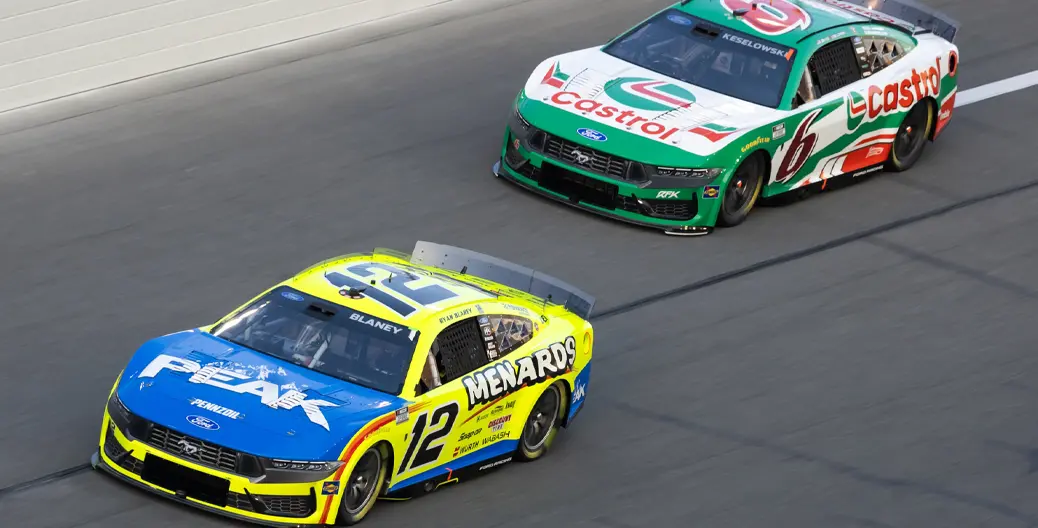
Ryan Blaney (Team Penske Ford)
- One of the absolute best active performers at Phoenix.
- Career average finish: 10.9 (top among many actives); Next Gen era standout with elite consistency (e.g., multiple top-5s/top-10s).
- Recent wins here (including fall races); excels in tire management on this abrasive surface.
Denny Hamlin (Joe Gibbs Racing Toyota)
- Career average finish: 10.5–10.6 (leads many actives).
- Multiple (2) wins, high top-5s/top-10s (17 top-5s in 40+ starts).
Kyle Larson (Hendrick Motorsports Chevrolet)
- Career average finish: 10.3–10.7.
- 1 win, multiple top-5s/top-10s; led hundreds of laps historically.
Christopher Bell (Joe Gibbs Racing Toyota)
- 2 wins at Phoenix (including recent spring).
- Average finish 12.9; solid top-10s.
- Defending spring winner vibes; JGR cars often dominate here.
Joey Logano (Team Penske Ford)
- 4 wins (tied for most all-time at Phoenix with retired drivers).
- Consistent top-10s; strong in championship-style races here.
2026 Team Strategies That Impact NASCAR Betting
- 23XI Racing (Reddick #45): Momentum from 3 straight wins means aggressive yet conservative play—focus on clean runs, tire conservation, and capitalizing on restarts. Reddick's weaker Phoenix history (~17-18 avg. finish) pushes them to prioritize long-run speed over short bursts.
- Joe Gibbs Racing (Hamlin #11, Bell #20, etc.): Strong Phoenix history; likely two-tire gambles late, stage point hunting, and leveraging restarts. Hamlin's smooth style suits tire management.
- Team Penske (Blaney #12, Logano #22): Blaney's elite consistency shines—expect patient, fuel-saving runs and opportunistic two-tire calls.
- Hendrick Motorsports (Larson #5, Byron #24): Raw speed + adaptability; may push option tires (if available) for stage dominance.
- RFK Racing (Keselowski, Buescher): Leaning on teammates for setup data; improving short-track pace with strategy maximization.
2026 Straight Talk Wireless 500 Betting Odds Overview
Top Favorites to Win (Outright Odds)
- Ryan Blaney (Team Penske): +450: Frequent co-favorite or outright leader. Strong momentum from recent Phoenix win (fall 2025); elite consistency here.
- Denny Hamlin (Joe Gibbs Racing): +500: One of the best active Phoenix drivers; smooth style suits the track.
- Kyle Larson (Hendrick): +600: Raw speed and adaptability; often highlighted for a potential breakout win.
- Christopher Bell (Joe Gibbs Racing): +600: Defending spring winner; strong restarts and recent form.
- William Byron (Hendrick): +600: Solid recent Phoenix runs; value in top-tier group.
- Joey Logano (Team Penske): +1100: Most wins among actives at Phoenix (4); strategy king.
- Tyler Reddick (23XI Racing): +1100: Massive early-season hot streak, but odds reflect track struggles—longer than his form might suggest otherwise.
- Chase Elliott (Hendrick): +11000: Consistent top-10 threat here.
How the Straight Talk Wireless 500 Betting Odds Are Shaped
The NASCAR Cup betting odds were shaped conservatively around Phoenix specialists rather than chasing Reddick's narrative. It's classic NASCAR betting—track history trumps hot streaks at venue-specific races like this.
Expect movement after qualifying (clean air from the pole is huge), but the board currently screams "reality check" for the streak. If you're betting, top-5/top-10 props on the favorites offer safer value given the competitiveness.
Most Popular Markets for This Race
- Race Winner
- Top 3/Top 5/Top 10 Finishes
- Head-to-Head Matchups
- Stage Winners
- Specialty Props (lead changes, cautions, etc.)
Phoenix-specific appeal: The track's flat nature and tire strategy make top-finish and matchup bets especially attractive—bettors favor drivers with proven Phoenix consistency over pure speed. Volume spikes after qualifying (Saturday, March 7) when pole position (clean air advantage) influences lines.
2026 Straight Talk Wireless 500 Betting Tips and Picks
Top Picks to Win (Outright)
- Ryan Blaney — Strongest play. Recent Phoenix winner (fall 2025), elite consistency here (top active avg. finish in many windows), great tire management on flat ovals. Momentum from solid early 2026 runs; often co-favorite or outright leader. High-confidence fade on Reddick's streak ending here.
- Denny Hamlin — Close second. Multiple Phoenix wins; leads active drivers in top-5s/top-10s; smooth style, perfect for abrasive surfaces. JGR cars are strong on intermediates; previews highlight him as a top contender.
- Kyle Larson — Value upside. Raw speed + adaptability; strong recent Phoenix laps-led stats. If qualifying well, he's lethal.
- Christopher Bell — Defending spring winner; aggressive restarts pay off here.
- Fade Alert: Tyler Reddick — Momentum is real, but Phoenix history drags him down heavily. Experts see this as the "reality check" where the streak snaps; better to take it as a long shot or avoid outright.
Safer/High-Volume Plays (Top Finish Props)
These bets are more common in competitive Phoenix races (with multiple lead changes and decisive strategy).
- Ryan Blaney Top 3 Finish (+165) or Top 5 (+100 or better) — Elite Phoenix performer; safest elite play.
- Denny Hamlin Top 3 (+165) or Top 5 — Consistent top-10 threat; tire conservation king.
- Chris Buescher Top 10 (+135) — Expert-highlighted value outside the top favorites. RFK improving; solid mid-pack upside on strategy tracks.
- Joey Logano Top 10 (+200 or shorter) — Most Phoenix wins among actives (4); patient strategist excels here.
2026 Straight Talk Wireless 500 Trends Bettors Should Track
Tyler Reddick's Streak vs. Phoenix Reality Check: Reddick enters with an unprecedented three straight wins to open 2026 (first driver ever to do so), holding a 70-point lead in standings. But Phoenix is his weakest track: career avg. finish 17.8, last two starts 20th and 26th.
Phoenix Specialists Dominating Speed Charts and Fantasy Rankings: Ryan Blaney, Denny Hamlin, and Christopher Bell top elite picks and front-runner rankings. Check practice speed charts (long-run averages, 10-lap averages) and single-lap speed. JGR/Penske/Hendrick cars often excel in tire conservation and late-run pace—expect them to lead practice sessions or show strong 30-50 lap simulations.
Tire Management and Long-Run Pace: Phoenix's low banking and abrasive asphalt cause heavy falloff; races hinge on who maintains grip on green-flag runs. Track long-run speed rankings in practice (e.g., average lap times in final 20 laps of sims). Drivers like Blaney/Hamlin thrive here; weaker tire wear could sink Reddick or road-course specialists.
Common Pitfalls When Betting Races at Phoenix
Pitfalls stem from the track's unique 1-mile flat tri-oval design: low banking (9-11° in turns), an abrasive surface that causes heavy tire wear, a subtle dogleg backstretch, tight corners, and a high emphasis on clean air, tire conservation, and strategy. Mistakes here often lead to lost positions, penalties, tire failures, or wrecks—especially in long green-flag runs or on restarts.
Frequently Asked Questions
Yes—this race is harder to predict than average, especially now. Reddick's momentum vs. Phoenix reality creates narrative tension, but track demands and parity favor surprises or strategy wins over a dominant runaway.